Skip to content
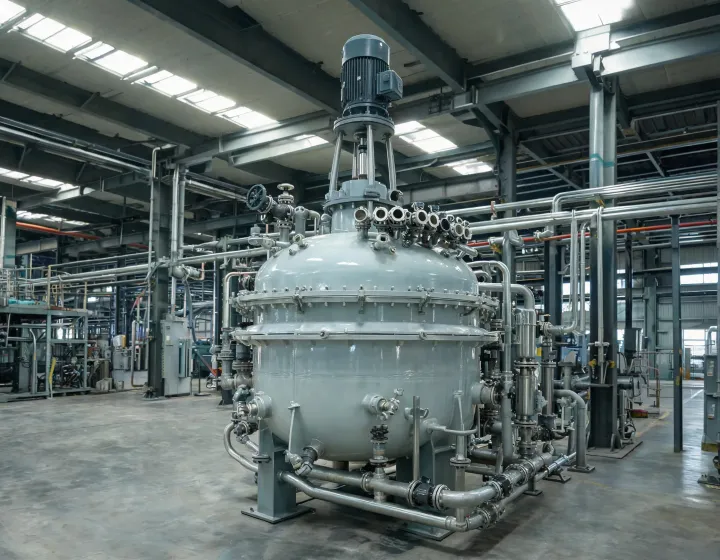
Glass-lined chemical reactor with jacket connections on a process floor

Resolve procurement unknowns

Known input
Batch chemistry, materials of construction, working versus total volume, and separate vessel-side versus jacket-side design pressure and temperature.
Supplier confirmation
Heat-transfer area, agitator speed and drive, nozzle schedule, lining inspection records, and which valves or instruments travel with the vessel.

Compare procurement cost boundaries

Machine price, delivery and site work are different ledgers. Comparing only a vessel line hides agitator, lining, crate and lifting costs that change the installed project total even when two nameplates look similar.

Machine

Pressure-containing vessel, jacket, agitator, quoted lining, and the heating area used in the heat-transfer calculation.

Delivery

Export packing, shipping weight versus installed weight, insurance, and inbound haul to the named US destination.

Site

Lifting, nozzle hook-up, cooling water and three-phase supply, FAT/SAT attendance, training and spare parts.

Do not treat an uncompared vessel line as a documented percentage saving.

Replacement versus new installation for chemical process equipment

Existing process

If a reactor already sits on the pad, record nozzle facing, agitator removal height, jacket utility flanges and remaining aisle. A replacement that cannot reuse those connections will force extra piping and lining access time that a working-volume figure will not show.

Ask each bidder whether the offer is a drop-in vessel or a new cell with its own supports, utilities and maintenance envelope.

Which procurement scope is covered by chemical process equipment?

What are separate vessel and jacket design conditions?
Material entering the machine
Feedstock is the batch chemistry, solvents and any solids at the stated process temperature. Viscosity and corrosivity belong on the RFQ so bidders do not quote a water trial as if it were the commercial recipe.
Required output
Throughput should be stated as batch size and cycle time with named heat-up and cool-down tasks. A nameplate heating area without those tasks is a different number and should be labelled as such.
Duty cycle
Campaign length, overnight idle, and how often product families change. Duty cycle drives spare agitator seals and whether lining inspection is a machine-line or a separate purchase.
Which responsibilities remain with the equipment supplier and buyer?

The buyer supplies process boundaries, drawings, quantity and destination. The sourcing desk aligns comparable quotation lines. The selected equipment supplier confirms feasibility, lining scope and the operations actually included. Engineering acceptance stays with the purchase contract, not with this website.

Send a scoped chemical process equipment RFQ

Discuss Your Requirements